
Specialty Homes
Roofing for Triple-Deckers
Flat sections, porch roofs, and shared ownership change the job on a triple-decker. Here's what KMK Roofing looks at.
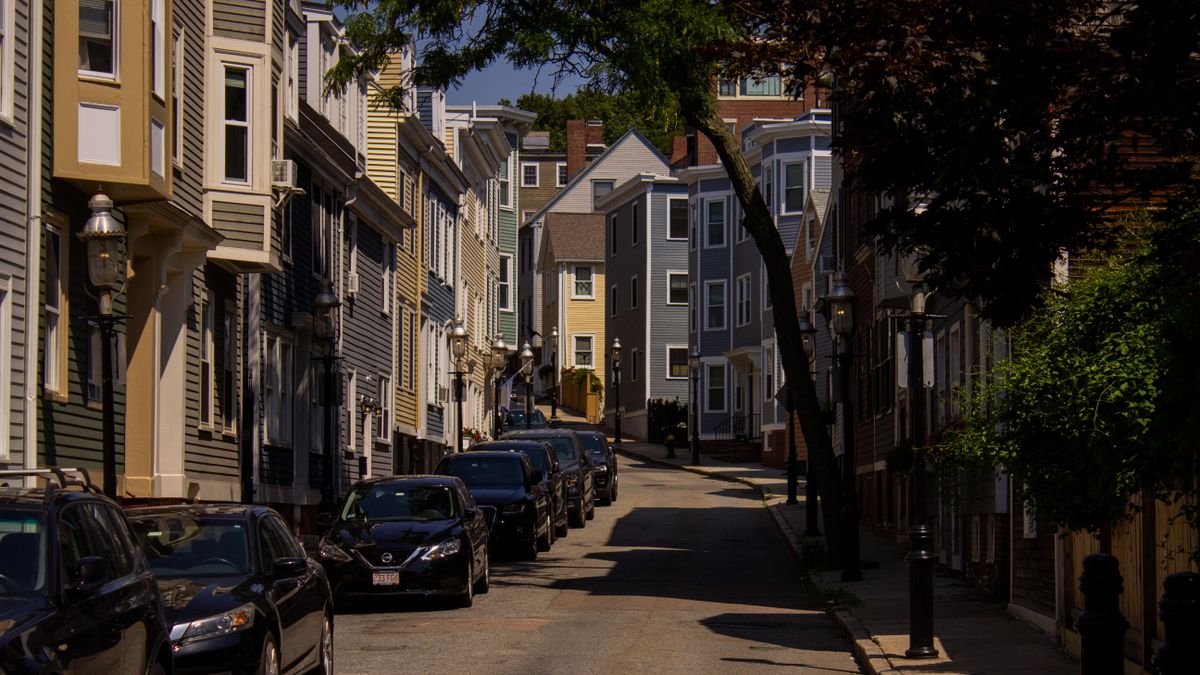
A triple-decker is really three households under one roof, and that changes both the roofing questions and the conversation around them. KMK Roofing works on triple-deckers across Greater Boston, and the issues we see most are pretty specific to this kind of building: a flat section over the main roof, stacked porches on tight lots, and the question of who is responsible for what when three units share one structure.
The flat section is usually the first thing to fail
Most triple-deckers have some low-slope or flat roof area, often at the rear over an addition or above the main roofline, and that section wears out faster than the pitched roof around it. A rubber or membrane roof has a shorter service life than asphalt shingles, and problems there show up as ponding water, seams pulling apart, or a soft spot underfoot. If you own or manage a triple-decker, it is worth having the flat section checked on its own, separate from the shingled roof, since a flat roof repair is a different job with different materials. Our roof repairs page covers general repair work, and a flat roof problem is one of the more common calls we get on this style of house.
Porch roofs take a beating on tight lots
The stacked porches that give a triple-decker its look are also a common leak point. They sit low, catch runoff from the main roof above, and often get less attention than the primary roofline because they are easy to overlook from the ground. A porch roof leak can travel along framing before it shows up as a stain on a porch ceiling below, so a full look usually means checking the porch roof deck and flashing where it meets the house, not just the porch surface itself. On a tight urban lot, access is also part of the job. Close lot lines and shared driveways change how we stage equipment and materials, and that is something we plan for before a crew shows up, not something worked out on site.
Ice dams hit a triple-decker roofline differently
Multiple rooflines, valleys, and low-slope transitions on a triple-decker give ice a lot more places to back up in winter than a simple gable roof does. If you have seen icicles building up over a porch roof or water finding its way in along an eave, that is worth addressing directly. Our ice dam removal service is built for exactly that kind of roof shape, and attic ventilation across three separate units also plays a role in how much ice forms in the first place. See our attic ventilation service for what we check there.
Who pays matters as much as what needs fixing
On a rental triple-decker, the roof is the owner’s job, not the tenants’. On a condo conversion, it is usually an association expense. We do not sort out that arrangement, but we do write the scope so the owner, landlord, or association knows what the job covers before work starts. If part of the roof needs a full roof replacement rather than a repair, that is worth knowing early, since it changes the budgeting conversation for everyone involved.
If your triple-decker sits near the coast or has an older section that predates a later renovation, our coastal houses page may also be relevant. Otherwise, the best next step is a look at the roof as it actually sits today. Get in touch and we will take it from there.