
Specialty Homes
Roofing for Coastal Houses
Salt air, wind, and winter storms change how a coastal roof is built and repaired. Here's what KMK Roofing looks at on a house near the water.
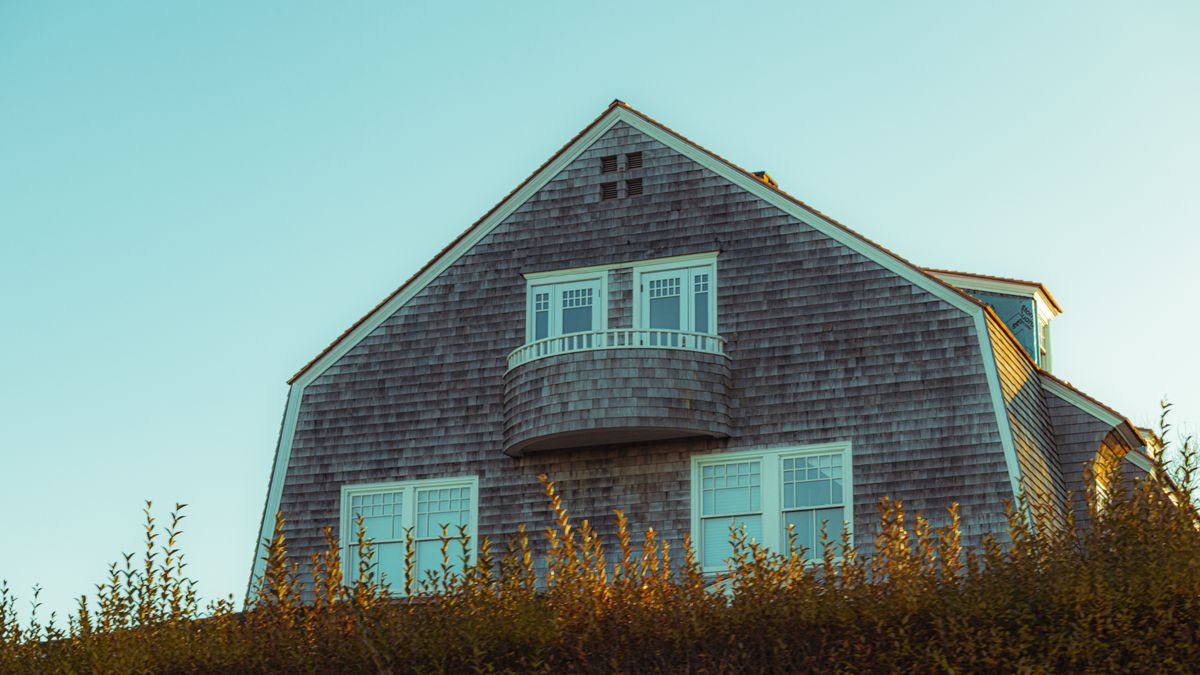
A house near the water takes a different kind of beating than one a few miles inland. KMK Roofing works on beach and coastal houses along the North Shore, from Marblehead and Swampscott up through Gloucester and Newburyport, and the roofs out there age differently than roofs in Woburn or Waltham. Salt, wind, and moisture are steady pressures instead of occasional ones, and that shapes what we check first and what we recommend.
Wind is the first thing we look at
A coastal roof takes wind that a roof five miles inland rarely sees, and it takes it often, not just during one bad storm. Shingles lift at the edges first, especially along rakes and ridges where the wind gets underneath. If you have noticed a shingle flapping after a windy night, or found granules collecting in a gutter after a storm, that is usually wind damage rather than simple wear. We look at fastening pattern, shingle rating, and how the edges of the roof are detailed, since a wind-resistant roof is mostly about those details rather than a special material. A repair here needs to hold up to the next storm, not just look right the day it is finished. If the damage is limited to a section, roof repair is usually the right call.
Salt air works on metal, not just wood
Salt in the air corrodes fasteners, flashing, and any exposed metal faster than it would a few towns inland. We see nail heads rust and flashing thin out well before the shingles themselves give out. That is worth checking on its own, separate from the shingles, because a roof can look fine from the ground while the flashing underneath is failing. Flashing around chimneys, walls, and vents is where most coastal leaks start. A cracked pipe boot is its own job, covered on our vent flashing page. Chimney and wall flashing is checked as part of a roof repair. If the whole roof system, deck included, is past the point of a repair, that is a roof replacement conversation, and we will tell you honestly if that is where things stand.
Attic moisture matters more near the water
Humid air off the ocean makes attic ventilation more important on a coastal house than it might be inland. A poorly vented attic traps moisture, which speeds up rot in the decking and shortens the life of a new roof no matter how good the shingles are. If your attic feels damp, or you have seen mildew on the underside of the roof deck, that is worth a look alongside any roof work. See our attic ventilation service for what we check there.
What a coastal roof needs in winter
North Shore winters bring their own version of the same problem: ice damming at the eaves, made worse by wind-driven snow that piles up unevenly on an exposed roof. A roof that handles summer storms fine can still back up water in January if the ice dam protection at the eaves is not right for the exposure. We look at that as part of any coastal inspection, not as a separate add-on. If you are dealing with ice buildup along your eaves already, our ice dam removal service covers that directly.
If your house shares a wall or a lot with a triple-decker or sits closer to town than the shoreline, our triple-deckers page covers those roofs specifically. For the coastal house itself, the best next step is usually a look, not a decision. Get in touch and we will take a look before anyone commits to anything.