
Services
Attic Ventilation Installation in Greater Boston and the North Shore
Attic ventilation gives your roof a clear path for outside air to enter low and leave high, instead of another vent bolted on and hoped for.
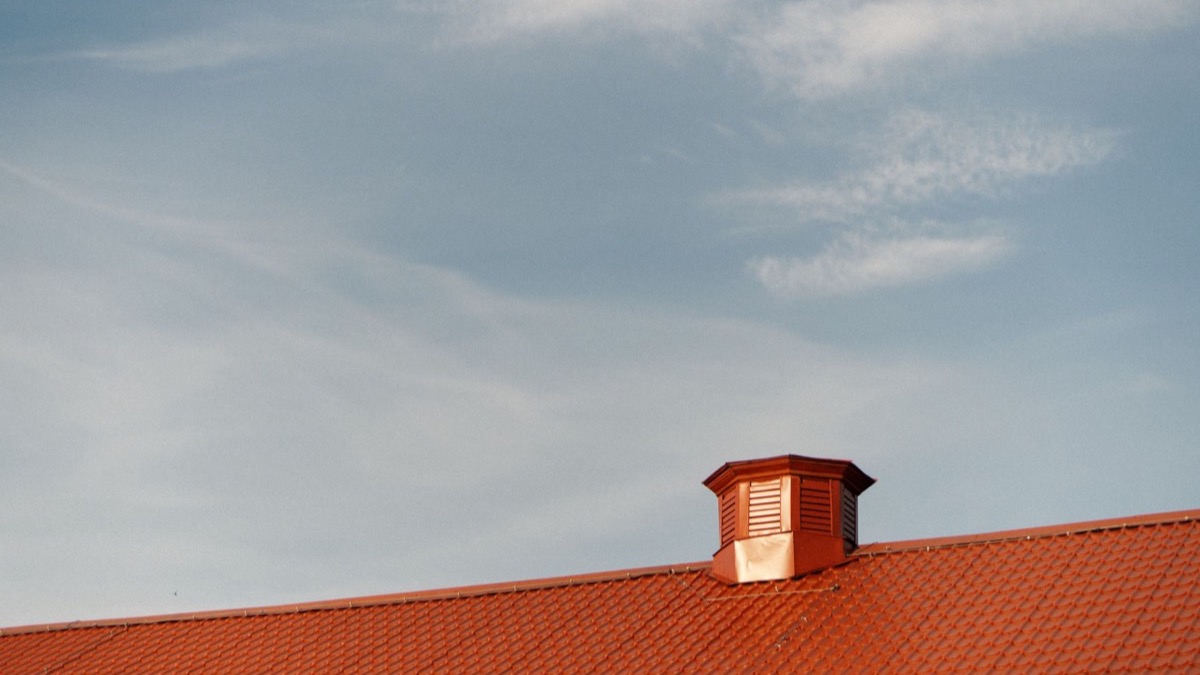
A working attic vent system is a loop, not a single part. Air comes in low, through the soffits, and leaves high, near the ridge. Get that loop right and you cut moisture buildup, reduce summer heat, and ease some ice dam conditions. Get it wrong and a brand new ridge vent does little, because it never had a matched intake to draw from.
Soffit and ridge, working as a pair
A ridge vent and a soffit vent are not competing products. They are the exhaust and intake halves of one system, and neither does much alone. On a job walk KMK Roofing checks your existing soffit openings before we touch the ridge, because more exhaust than the soffits can feed just pulls air from somewhere else, usually your ceiling.
What makes a new ridge vent pointless
A ridge vent installed over a blocked eave is decoration. The most common failure we find is a rafter bay with insulation packed against the deck, leaving no channel for soffit air to reach the ridge. The fix is a baffle, a rigid piece set above the soffit that holds a gap under the deck so insulation stays put without choking the airflow.
The other common failure shows up after the system was installed correctly and someone undid it later. Added insulation buries the soffit slots, a paint job seals half of them shut, or a remodel moves ductwork into the attic and changes the path. None of that is a ridge vent problem. It is maintenance catching up years later.
A powered attic fan can help where a continuous ridge run is not practical, but only if the intake can actually feed it. Undersize the intake and the fan starts pulling conditioned air out of your living space instead of just attic air.
A cooler, drier deck is not the same job as removing ice
Attic ventilation is a prevention tool, not a repair tool. A warmer attic can lead to ice dams. Snow melts over the warm zone, runs down, and refreezes at the colder eave, where backed up water can work under the shingles. Ventilation helps by keeping the deck closer to outdoor temperature, but it does not remove ice that is already sitting on your roof. That is a separate job, handled through ice dam removal.
A sealed attic, sometimes called a hot roof, replaces the vented channel with a different kind of insulation entirely. It is a legitimate approach in some cases, but it is not the default fix for a blocked soffit. That decision belongs on a walkthrough, where we can look at your attic and your roof together, including whether a roof replacement is part of the picture. If you want that walkthrough, contact us and we will take a look.