
Services
Roof Cleaning for Greater Boston and North Shore Homes
Roof cleaning means telling algae streaks, moss, and debris apart before anyone touches a hose, then washing with a method that won't strip granules off your shingles.
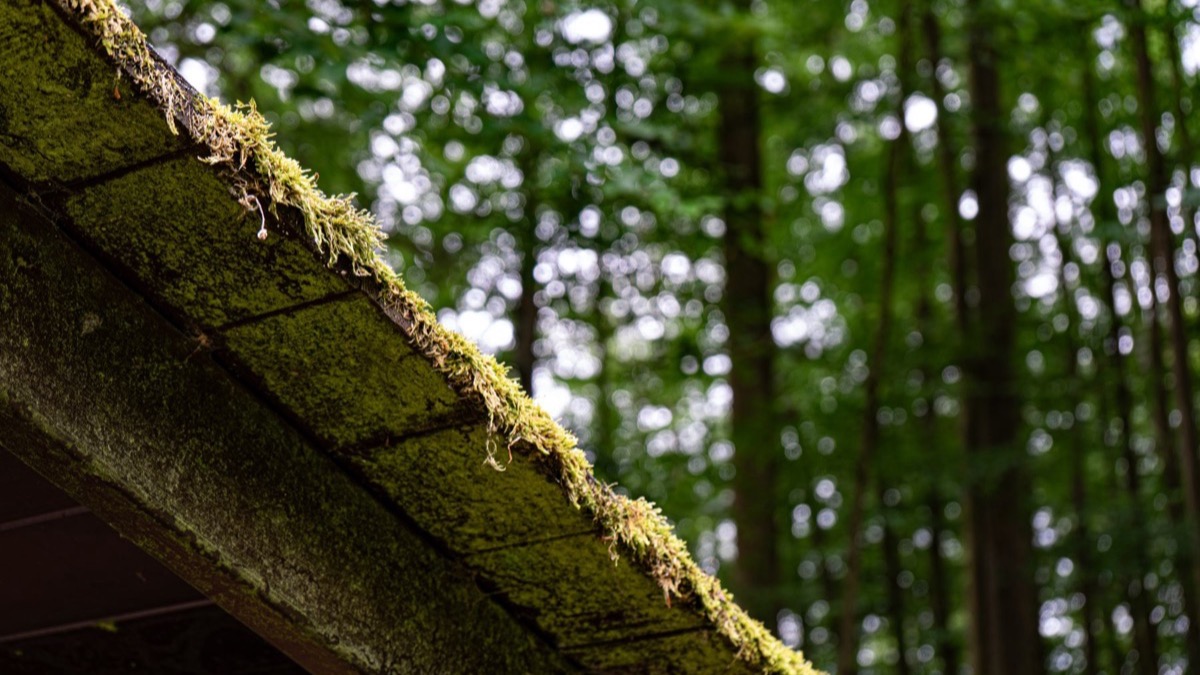
Dark streaks running down from the ridge are usually algae, not soot and not dirt. Roof cleaning starts with figuring out what you’re actually looking at before anyone climbs up with a hose. KMK Roofing washes Greater Boston and North Shore roofs with a low-pressure method built for asphalt shingles, and we’ll tell you plainly when a wash isn’t the job you need.
Algae, moss, and debris aren’t the same problem
Black streaks on a roof are almost always algae. It builds a dark coating that shows up as streaking over months of growth, and it’s easy to blame on tree droppings or grime when it’s neither. Moss is different. It tends to take hold on shaded, north-facing slopes and under tree cover, and unlike algae it can lift or curl shingle edges, which raises the risk of wind getting underneath them. Leaves and needles are the third thing you’ll find on a roof, and they’re not alive at all, just debris that traps moisture where it sits. Algae, moss, and debris are three different problems with three different levels of urgency. Treating them the same is how a homeowner ends up paying for the wrong fix.
A low-pressure clean that leaves sound shingles alone
A power washer should never touch an asphalt shingle roof. High pressure strips granules and can shorten the life of the shingle. That’s why we clean with a soft wash approach, low-pressure water paired with a cleaning solution suited to the shingle, not a pressure washer aimed at your roof deck. We follow the shingle manufacturer’s guidance on what the roof can handle, and we don’t scrub or scrape sound shingles to speed things up. Soft washing takes longer than blasting a roof with a wand, and it should. A roof that looks clean in twenty minutes flat is usually a roof that lost granules to get there.
When a wash is enough, and when it’s not
A wash makes sense when what you’re seeing is surface growth on shingles that are otherwise sound. It’s not enough when moss has already lifted shingle edges, when granules are visibly gone, or when there’s an active leak. Some companies market a wash as a way to add years to a roof’s life. We won’t make that claim. If your roof has lifted edges or a leak, that’s a roof inspection conversation, not a cleaning appointment, and we’ll say so before we ever bring out a hose. Cleaning that turns up damage usually leads to roof repairs instead.
What actually slows regrowth
Cleaning removes what’s there today. Slowing what grows back is a separate job: trimming branches so more sunlight reaches the roof, clearing debris regularly, and keeping your gutters flowing so water isn’t sitting where algae and moss like it. None of that is a one-time fix. We also won’t sell you a zinc strip retrofit for a roof you already have. Nailing strips into a finished shingle roof can open leak paths you didn’t have before. If algae-resistant shingles interest you, that’s a conversation for your next reroof, not a bolt-on for the roof you have now. A clean roof today plus basic upkeep is a realistic plan. A permanent fix from a single wash is not.